what: common carpet creation and mini-zines
with whom: Tatiana Fiodorova-Lefter and Anna Vasina
when: the workshops of collective art creation took place during the educational trip to Moldova in April-May 2026
What it is about
During our educational trip to Moldova in April-May 2026, collective art-making became one of the methods of learning with and from each other. Instead of focusing only on listening to inputs, observation or documentation as methods of learning, we collectively engaged in two creative practices: crafting a common carpet and creating mini-zines. Both formats offered accessible, low-threshold entry points into the artistic creation process, while raising critical questions around authorship, memory, and representation.
The collective carpet creation practice was suggested by Tatiana Fiodorova-Lefter, an artist, curator, educator and co-creator of our program in Moldova. The carpet creation drew on associations with domestic labor and cultural heritage. Rather than reproducing tradition, participants engaged with textile practices as living, adaptable forms. The process emphasised how knowledge and memory are embedded in materials, gestures, and social relations. What made this practice particularly valuable was that some of the carpets had been started by other people on previous occasions; others were started during our trip. And they will continue to grow, collecting the fabrics, memories and stories from others. Here is what the artist Tatiana Fiodorova-Lefter wrote about the process herself:
“I began weaving this carpet in March 2025, guided by a simple desire — to bring people together through collective creation. Since then, artists, cultural workers, and people from different places have joined, each adding their own thread.
The carpet continues to grow, shaped by communities from Chișinău, Bucharest, and Venice and other countries.
It is becoming a traveling canvas where stories, threads, and many hands intertwine — a gesture of care, a space of encounter, a shared act of making. Within it emerges the image of a possible future: open, fragile, and held together by participation. What matters is the act of joining — of continuing this conversation, thread by thread”.
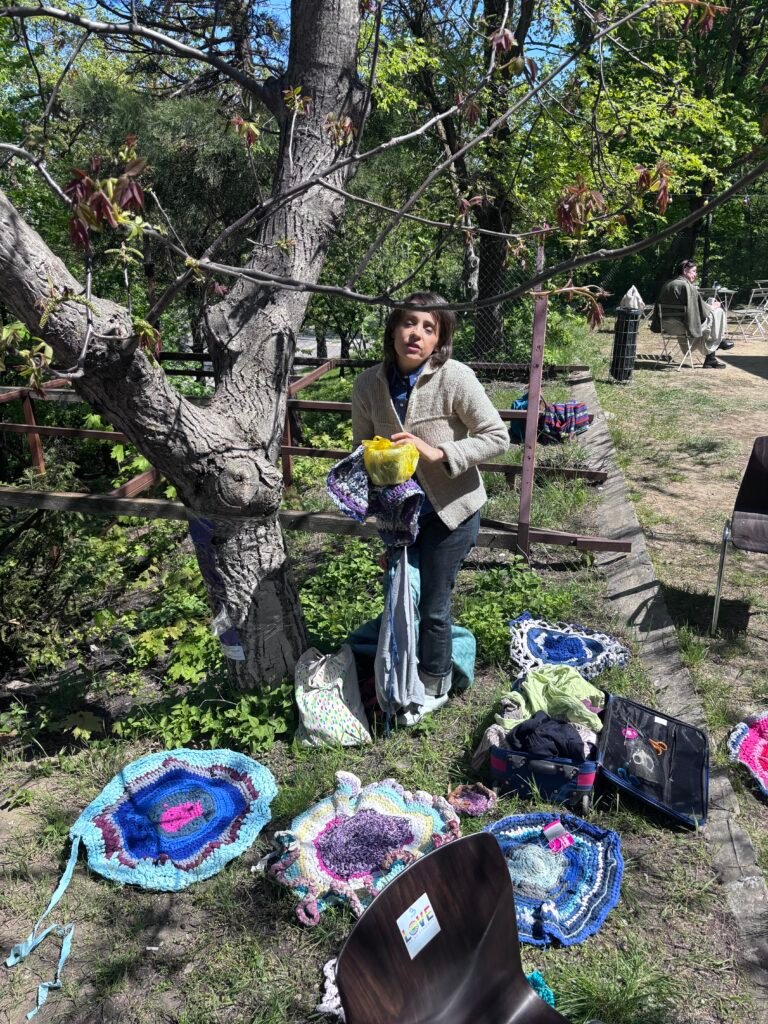
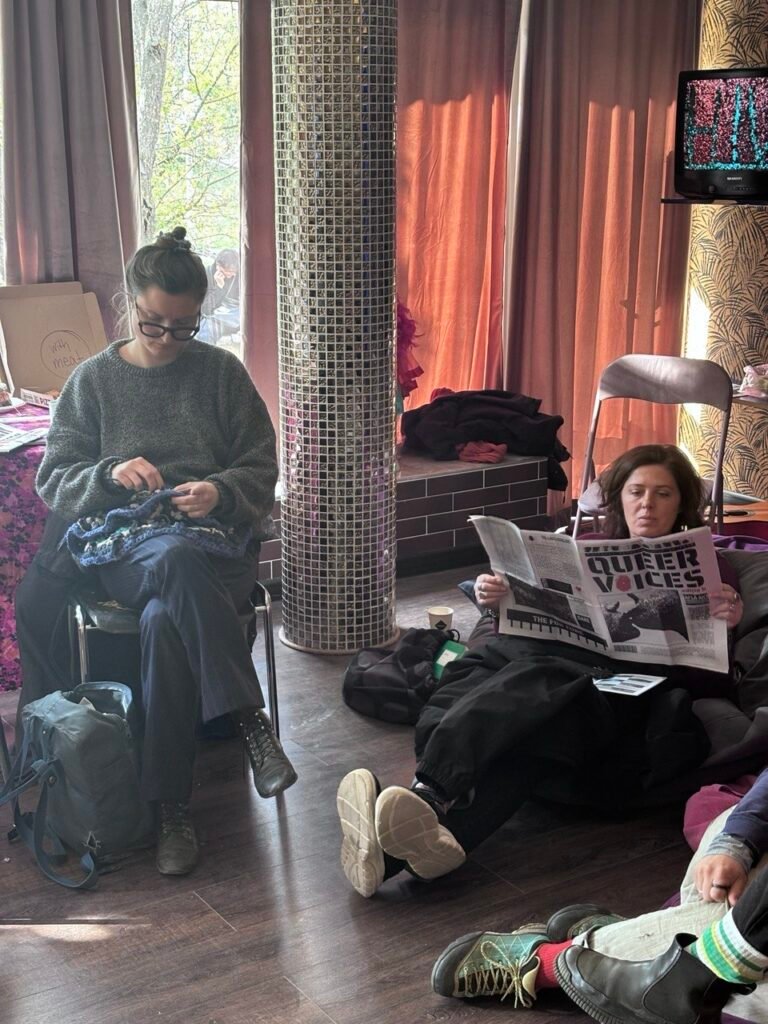
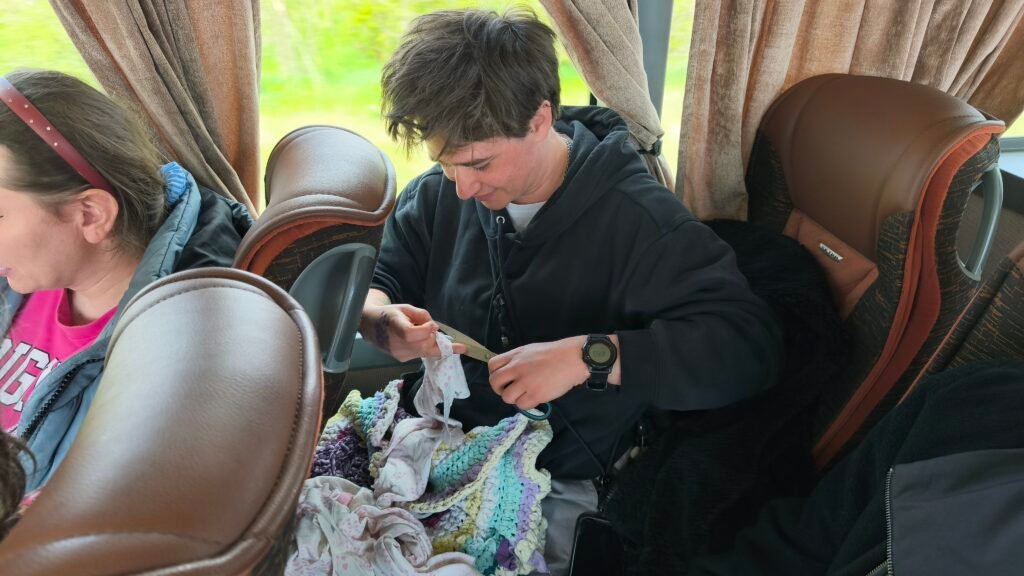
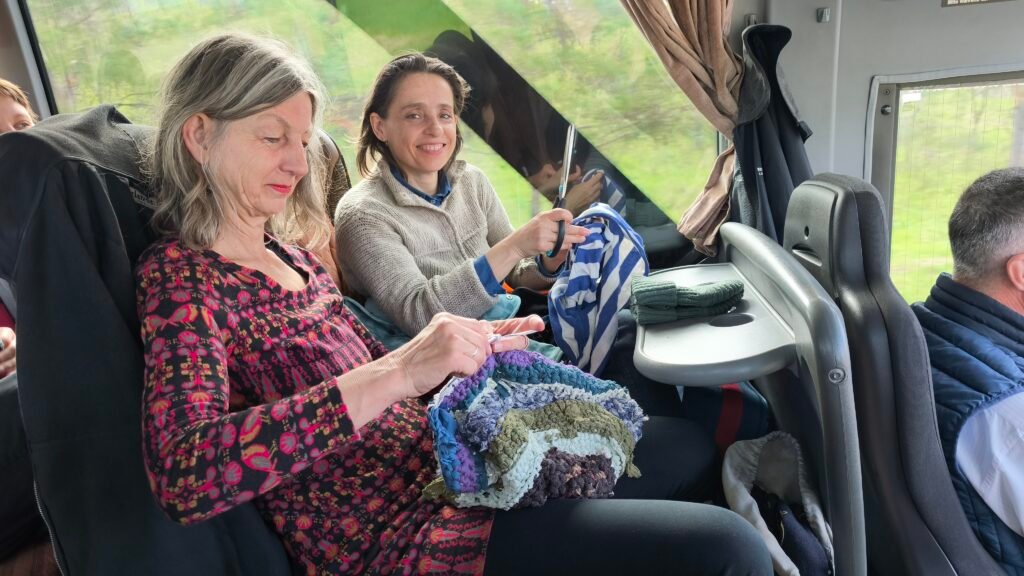
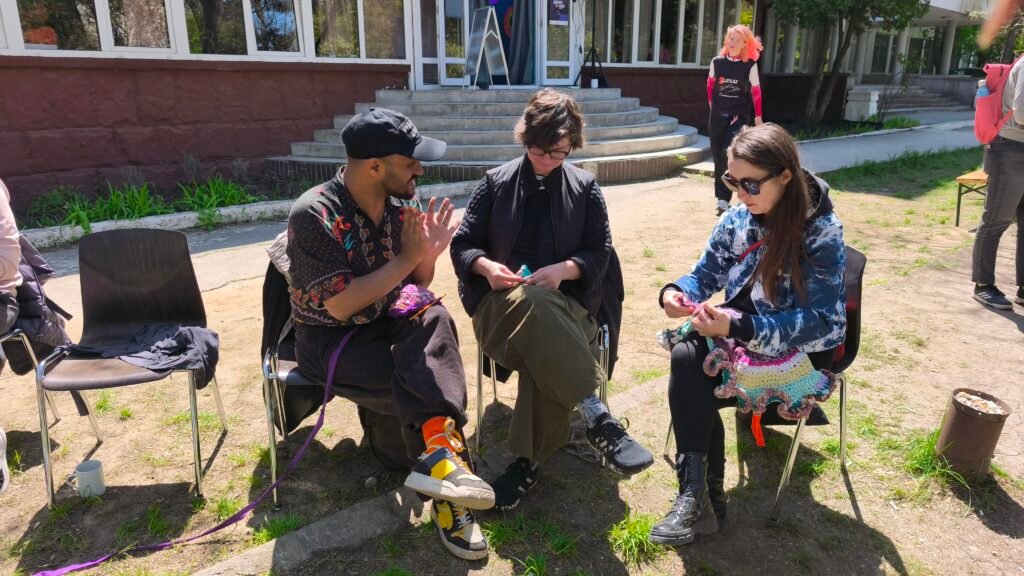
The mini-zines practice was facilitated by the designer and co-founder of Abstract-Press Association Anna Vasina. Before beginning the creative process, we learned about samizdat (the self-publishing of materials during USSR times) and its resistance potential. The input inspired the idea that your personal zine can look like anything, and can be of any size, while carrying a lot of meaning. In the end, the creation of mini-zines was a practice of storytelling and reflection in general — and of the trip. It allowed participants to compile personal and collective narratives. It was not a collective zine, since each participant had their own creation. However, it was a collective reflection practice where individual voices could emerge. In the end, it became a shared archive of impressions, questions, and reflections.
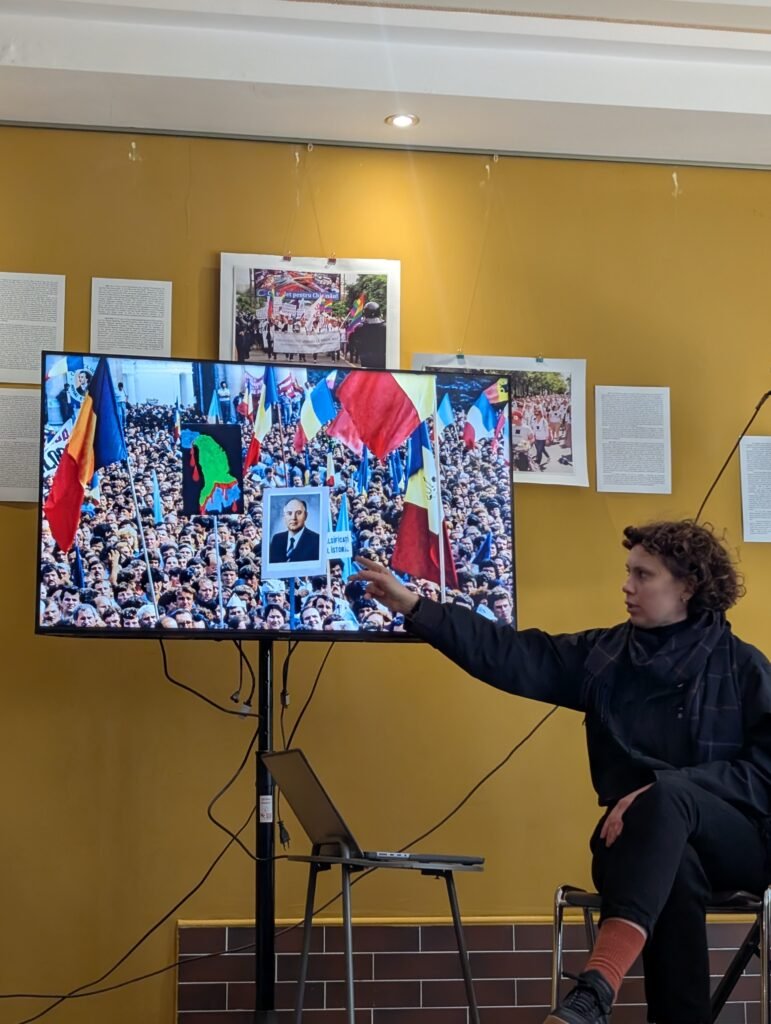
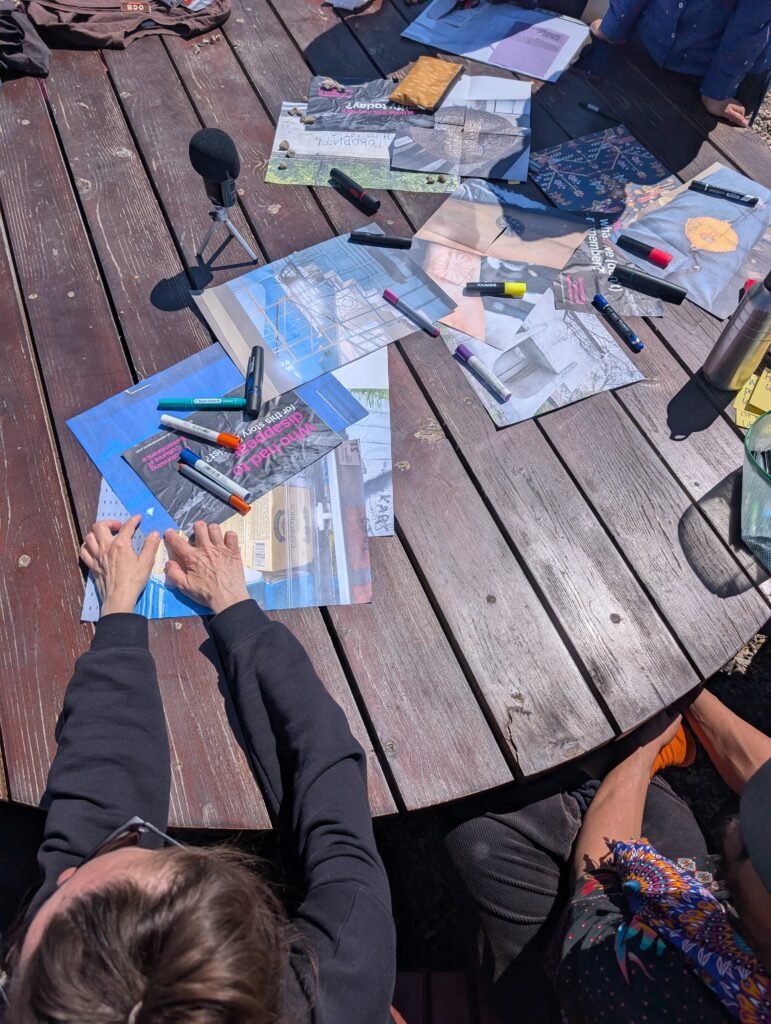
Below are a few zines from the participants, along with some thoughts on the process of creating them.
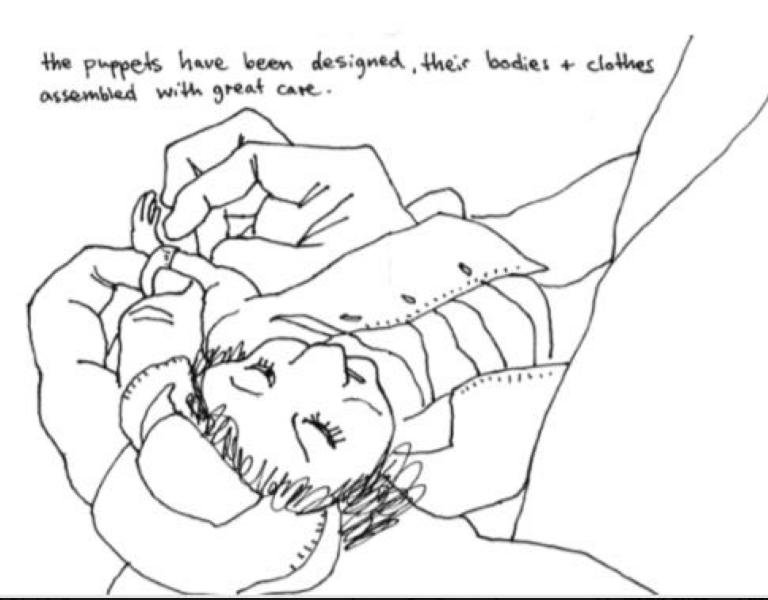
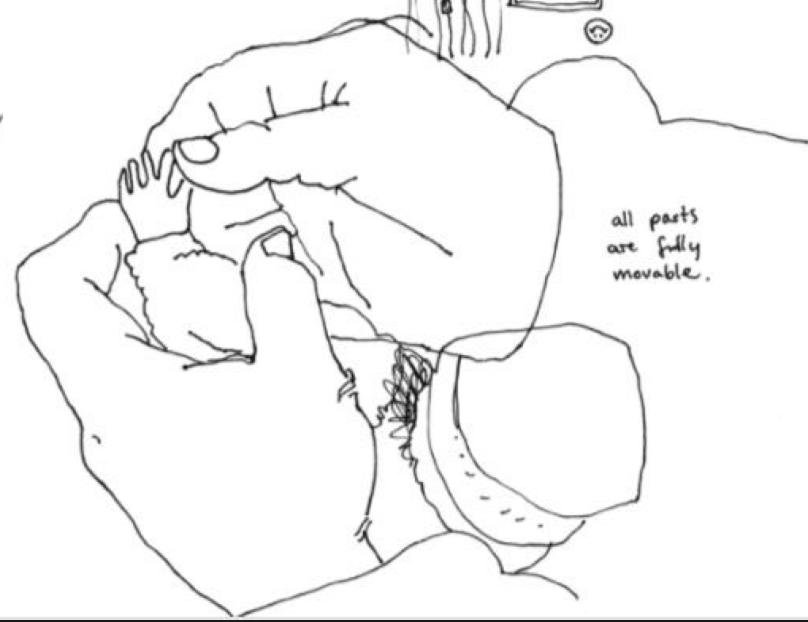
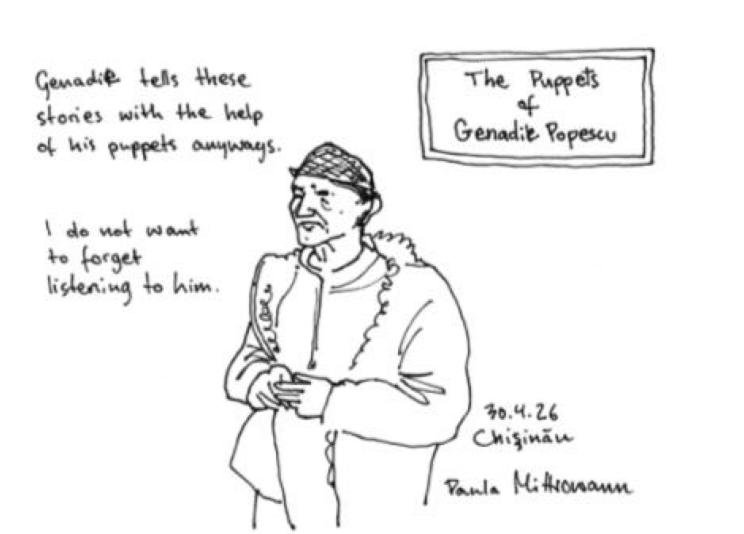
Paula
“I loved taking a moment, even during the hectic last days-last experiences, to recollect one shining moment and to capture it in text, drawings and a photo.
Even if you think you will remember everything after travelling home, so much gets lost immediately in everyday-life and Anne gifted us this chance to capture a moment while it was not yet totally converted into a memory”.
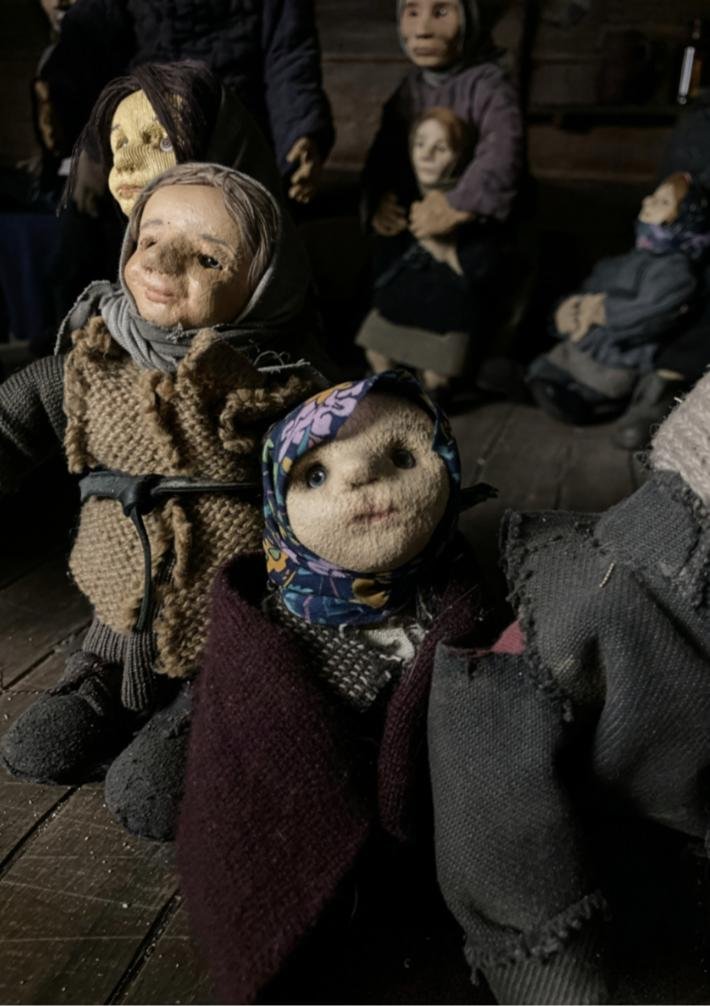
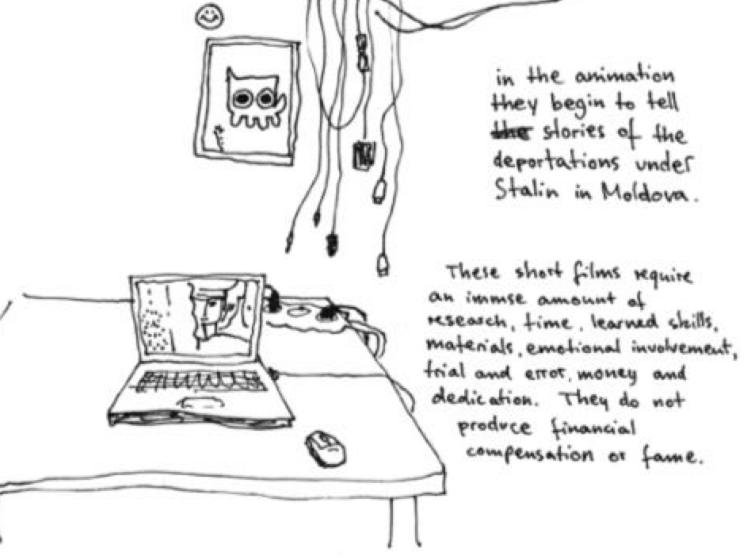
Umtata
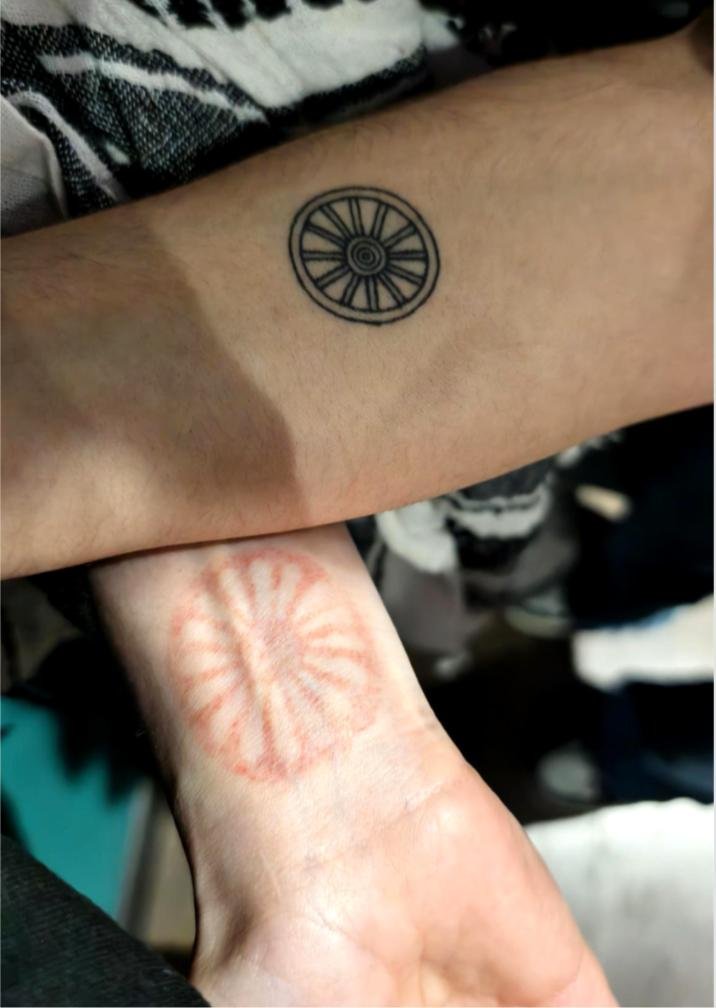
“I chose a photograph of two tattooed hands marked by the Romani wheel. The image emerged from an encounter, but also from a recognition: two bodies carrying the same sign while inhabiting different stories.
“Double Encounters – Double Erasures. The Body testifies.” points to the fragile space between visibility and disappearance. The photograph considers the body as a living archive, carrying traces of histories that have often been neglected, erased, or left undocumented. Here, memory is not stored elsewhere; it is inscribed on the body itself.”


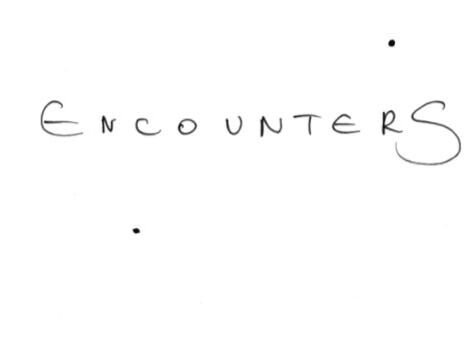
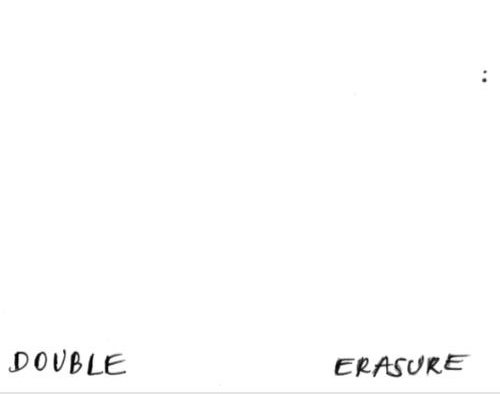
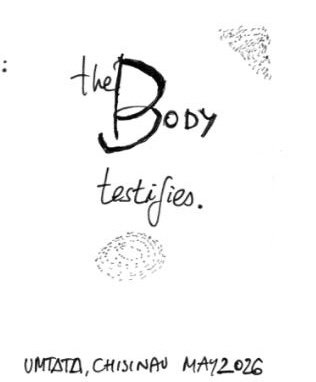
Both practices opened up ways of engaging that moved away from fixed narratives or external interpretations. Instead, they encouraged attentiveness to context, relationships, and the limits of one’s own perspective. In this sense, collective art-making functioned as a decolonial learning method, prioritizing process over outcome and valuing situated, partial, and co-created forms of knowledge.
In the project Decolonising Cultures of Remembrance, we collaborate with partners to explore the meanings of ‘decolonising’ and ‘decoloniality’. One way of grasping the concepts or getting closer is to try different methods and formats of learning. To many of us, this already felt decolonial.
Facilitators
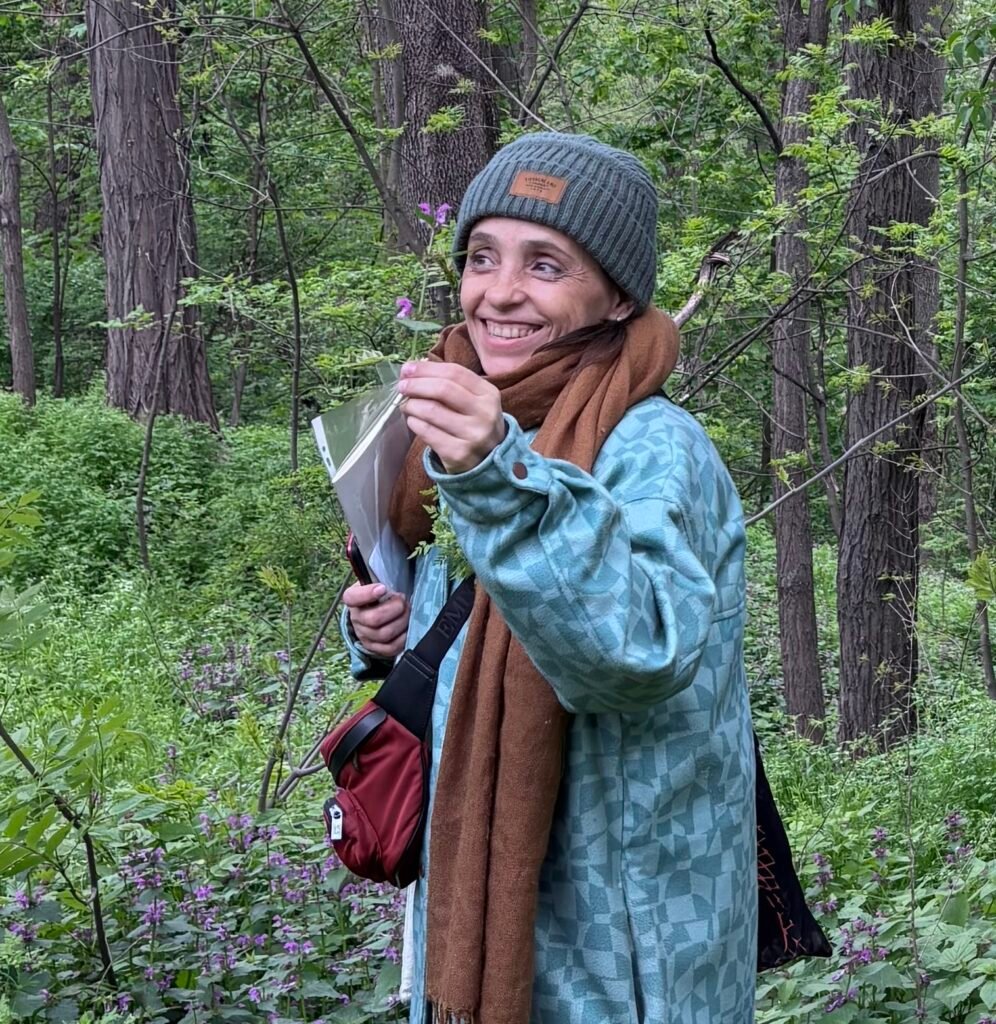
Tatiana Fiodorova-Lefter
an artist, curator, and educator. She is a co-founder of ArtPlatforma organisation, co-creator of the program of the educational trip to Moldova and an official partner of the project Decolonising Cultures of Remembrance.

Anna Vasina
graphic designer, cultural manager and visual researcher.
Initiators
Educat – Educational Collective
Educat e.V. is a collective of education workers from Dresden, Rostock and Berlin, who do diversity- conscious and critical education, work on remembrance and emancipatory and experimental educational formats. Together with a lot of partners and comrades Educat is facilitating Cultures of Remembrance since 2021.
Project partners
The project has been carried and inspired by a huge network of comrades, activists, artists and educators. For the recent episode of “Cultures of Remembrance” together with Educat Collective, there is Art Platforma, Human Constanta, Prismatica, Solidarity Collectives and Moldox involved as main partners.